
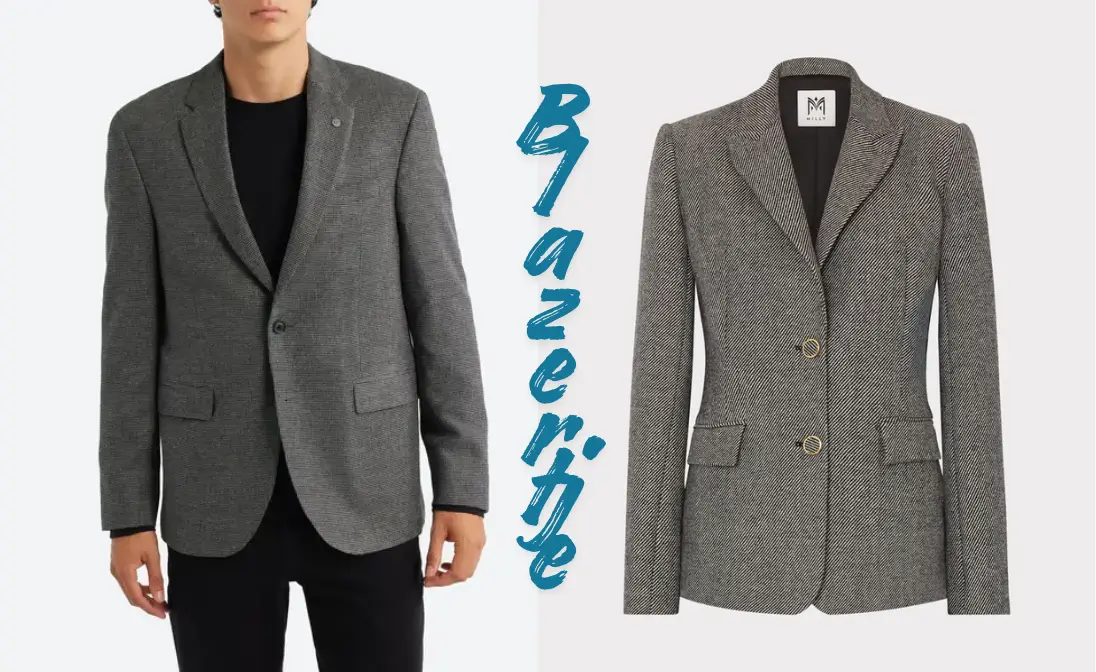
blazertje — a small word with a big presence. Imagine walking down a narrow Amsterdam alley at dusk: golden streetlamps cast soft glows over cobblestones, a gentle chill in the air. A figure passes — not in a stiff suit jacket, but in something lighter, freer: a cropped, fluid blazer that sways with ease. It carries heritage, but also the breath of possibility. That is the essence of the blazertje: at once rooted in tradition, and reborn for modern life.
Origins: From Clubs to Couture
The story of the blazertje begins with the blazer — itself a product of 19th‑century British sporting culture. Blazers were originally worn by rowing clubs and naval regiments, as semi‑formal jackets that signified belonging and discipline. Over decades, the blazer evolved: adopted in schools, universities, then offices — becoming a universal symbol of formality, structure, and elegance. Vucrex+2zynotimes.com+2
The blazertje, however, emerges from a quieter, subtler pivot. Linguistically, it is grounded in Dutch: the suffix “‑tje” denotes smallness or affection. Thus, “blazer + tje” becomes “little blazer.” But this diminutive isn’t about shrinking scale alone — it’s about softening tone, about intimacy, approachability, and adaptability. Presentway+2Wisp Willow+2
What Is a Blazertje — The Anatomy of Casual Sophistication
The blazertje diverges from the classic blazer in multiple ways. What makes it distinct isn’t merely a shorter hem or lighter fabric — it’s a shift in spirit.
Core Features
- Fabric & Construction: Blazertjes often use breathable, lighter materials — cotton, linen, soft wool blends, knits — as opposed to the heavier, lined structures of traditional blazers. Wisp Willow+2Vucrex+2
- Cut & Silhouette: Expect a shorter length (often ending at waist or hip), minimal shoulder padding, softer lapels, and sometimes an unstructured or half-lined interior for comfort and movement. Wisp Willow+2blogloom.co.uk+2
- Styling Flexibility: Blazertjes do not demand formality. They transition seamlessly between settings — smart-casual offices, brunches, creative environments, even nights out. A blazertje might drape over a crisp shirt, but just as easily over a tee or knit top. Vents Magazine+2Stars Magazine+2
- Aesthetic & Attitude: The vibe is approachable sophistication — less armor, more expression. The diminutive suffix carries a softness; the garment carries a confidence without rigidity. Presentway+2Livebeyondsports+2
In short: where blazer says “uniform,” blazertje says “you.”
Modern Significance: Why the Blazertje Resonates in 2025
In recent years — especially since the early 2020s — the blazertje has experienced a resurgence across Europe and beyond. This is tied to broader cultural and lifestyle shifts: casualization of workspaces, emphasis on comfort without sacrificing style, the rise of gender-neutral fashion, and more sustainable wardrobes. blogloom.co.uk+2Stars Magazine+2
- Smart‑casual workplaces: As offices relax dress codes, professionals seek jackets that deliver polish but not stiffness. The blazertje fits perfectly. blazertje.org+1
- Streetwear and hybrid fashion: Influencers and designers combine blazertjes with sneakers, jeans, or even shorts — blending formal heritage with street-level edge. Mob Munch+2Wisp Willow+2
For many, the blazertje isn’t just a jacket — it’s a statement. A declaration that style need not be rigid, that comfort and elegance can coexist gracefully.
Styles and Variations: More Than Just One Jacket
Though the core idea of the blazertje remains consistent — lighter, softer, versatile — its modern reimaginings vary widely. Depending on the designer, material, and purpose, a blazertje can take many forms:
- Classic cropped blazertje: waist‑length, neutral colours (black, navy, beige), minimal details — the closest to a traditional blazer, but lighter.
- Soft‑tailored everyday blazertje: unstructured, minimal shoulder padding, designed for comfort and daily wear — ideal for smart‑casual offices or creative spaces.
- Streetwear‑inspired blazertje: oversized cuts or bold patterns, paired with jeans, cargo pants, or sneakers — more about attitude than polish.
- Gender‑neutral / Androgynous blazertje: cuts and colour palettes that avoid strongly gendered assumptions; often styled with minimalist or monochrome outfits.
- Seasonal blazertjes: light cotton or linen for spring/summer, heavier wool or wool-blends for autumn/winter — making the piece wearable year-round. Stars Magazine+2Mob Munch+2
This variety gives the blazertje its quiet power: it never says just one thing. It adapts. It belongs.
Cultural & Fashion‑Environmental Impact
At first glance, the blazertje seems a small tweak — a shorter lapel here, softer fabric there. But this smallness carries outsized cultural weight.
- Democratizing elegance: Where blazers once symbolized formality, status, or corporate culture, the blazertje democratizes that elegance. It belongs to the café‑goer, the creative, the influencer, the everyday professional.
- Toward sustainable wardrobes: As people reject disposable fast fashion, versatile staples like the blazertje encourage thoughtful consumption. A single good-quality blazertje can replace multiple jackets, cutting down waste while sustaining style.
How to Wear (or Experience) a Blazertje — Practical Tips
So you own (or plan to own) a blazertje. Here’s how to make the most of it, wherever you are.
- Seasonal dressing: In warmer months, opt for linen or cotton; pair with light trousers or jeans. In cooler weather, choose wool-blend or heavier materials, layer with knitwear or scarves.
- Work settings: For smart-casual offices, pair a neutral blazertje with tailored trousers or chinos, loafers or minimalist sneakers, and a crisp shirt or knit top.
- Casual outings: Throw over a simple tee (white or graphic), jeans or cargo pants, and sneakers. The contrast — tailored jacket + casual base — gives effortless chic.
A Global Reflection: Comparing Blazertje to Other Traditions
The concept of a lighter, softer, more adaptable jacket isn’t unique to Dutch‑inspired fashion. Around the world, similar traditions exist — but each with distinct mood, purpose, and cultural framing.
| Feature / Dimension | Blazertje | Japanese Noragi / Work Jackets | American Casual Blazer / Unstructured Jacket | Korean Street‑Chic / Oversized Jackets |
| Mood / Feel | Effortless elegance, approachable sophistication | Functional simplicity, utilitarian comfort | Smart‑casual versatility, preppy ease | Youthful edge, urban flair |
| Common Materials | Cotton, linen, soft wool blends | Canvas, denim, natural cotton | Lightweight wool blends, cotton, polyester blends | Lightweight fabrics, synthetics, blends |
| Typical Cut/Structure | Cropped or waist‑length, minimal padding, often unstructured | Loose, boxy fits, minimal tailoring | Slight tailoring but relaxed, soft shoulders | Oversized or cropped, informal drape |
| Cultural Focus | Blending formality and comfort; gender‑neutral styling; flexible lifestyle | Workwear roots; durability; everyday practicality | Business‑casual balance; transitional wear | Streetwear aesthetic; youth identity; experimentation |
| Main Appeal / Use | Office‑to‑cafe, transitional outfits, layering | Workwear, artisanal lifestyle, heritage aesthetic | Smart‑casual occasions, travel, everyday polish | Creative outfits, youth fashion, statement look |
In Conversation: Expert Insight on Blazertje
Late afternoon, a minimalist studio in Amsterdam — warm light filters through tall windows overlooking a quiet canal. The air smells faintly of brewing coffee and fresh fabric. I sit across from fashion stylist and consultant “L.” (prefers to go by initials). The mood is casual yet intentional — fitting for a conversation about a garment that thrives on subtleties.
Q: L., how did you first encounter the blazertje, and what struck you about it?
A: “It was about seven years ago — I was helping a designer prepare a lookbook for spring collection. We had classic blazers, but one piece stood out: a slightly shorter jacket, in soft linen, unstructured shoulders. At first I thought: ‘Why cut it short?’ But when I saw it on the model against Amsterdam back‑streets — narrow rain‑slick cobblestones, muted brick — it looked alive. Less like a uniform, more like a companion. That moment changed how I think about jackets.”
Q: What, in your view, distinguishes a good blazertje from a poor imitation?
A: “Cut and fabric are everything. A good blazertje doesn’t try to fake structure: it embraces softness. The seams lie flat, shoulders don’t overpower, and the silhouette moves with the wearer. The fabric should breathe, drape — not stiffen. If it feels like you’re putting on armor, that’s not a blazertje, that’s a bad blazer.”
Q: In today’s world, why do you think the blazertje matters?
A: “Because our lives are hybrid now. Work, home, cafés, remote meetings — we’re always shifting contexts. The blazertje adapts. It lets you show up polished without looking like you’re trying too hard. Also, it’s gentle on identity: gender-neutral enough, subtle yet expressive. For many younger people, that matters.”
FAQs
Q: Is a blazertje just a cropped blazer?
A: Not exactly. While some blazertjes are cropped, the term refers more broadly to a lighter, softer, more versatile blazer — not simply shorter length. It’s about cut, structure, fabric, and attitude. Wisp Willow+2Wisp Willow+2
Q: Is blazertje suitable only for women or men?
A: Neither — blazertjes are largely gender-neutral. Because of their softer tailoring and styling flexibility, both men and women (and people of any gender identity) can wear them. Presentway+1
Q: Which fabrics work best for a blazertje?
A: For warmer seasons, linen or cotton blends; for cooler weather, light wool or wool blends. Breathable, flexible fabrics that drape naturally preserve the blazertje’s signature ease. Stars
What the Blazertje Tells Us: Cultural Takeaways
The rise of the blazertje reflects deeper shifts — in how we dress, how we live, how we think about identity and belonging. In a world where lines blur between work and leisure, between public persona and private self, the blazertje stands out as a sartorial metaphor: flexible, inclusive, timeless.
- It challenges the dominance of rigid formality.
- It embraces comfort, mobility, and individuality.
- It invites a rethinking of how clothing reflects identity.
- It aligns with sustainability — fewer pieces, more wearability, thoughtful choices.
Moreover, it shows how language and culture evolve. A simple Dutch diminutive — “‑tje” — becomes a global fashion phenomenon. Identity, style, heritage — all compressed into a garment that says as much in its softness as a suit does in its structure.
Conclusion: The Quiet Revolution of the Little Blazer
Walking back through that Amsterdam canal‑side street, I realized: the blazertje isn’t a trend or a fad. It’s a quiet revolution. In its unassuming cut, breathable fabric, versatile styling, and gender‑neutral ease, it captures something essential about 21st-century life: fluid, mobile, ever‑shifting — yet rooted in history, style, and personal expression.
Perhaps the most profound thing about the blazertje is how it transforms the user. There’s no uniform to conform to, no rigid silhouette to fill. Instead, it moves, adapts, becomes part of you. In a world saturated with logos, labels, and loud fashion statements, the blazertje whispers. And maybe — that’s exactly what we need.