
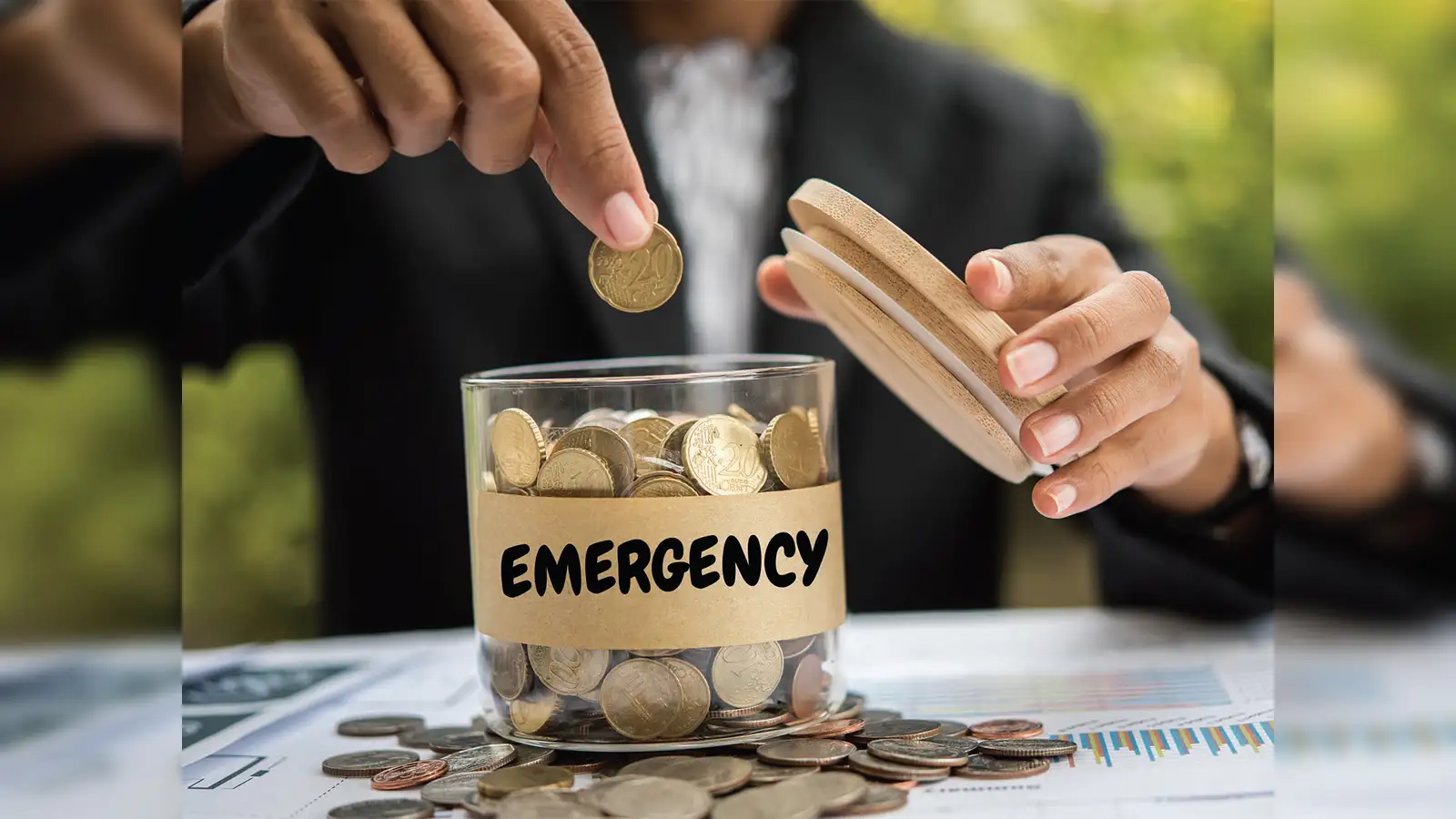
An ểmgency can occur at any time, and it is better to be safe. It could be a natural disaster, sickness, or just some unexpected situation, learning the response means learning to save you. Nowadays, here in this blog, we are going to discuss what an ểmgency is, why you should learn so much about it, and how you can prepare yourself if it occurs.
Preparation for an ểmgency is simply having a plan. This includes being familiar with emergency numbers, having a first-aid kit on hand, and being familiar with general safety protocols. It’s not responding, it’s pre-responding. Preparing through education and education of your household will decrease the impact of an ểmgency and save lives. Keep in mind that preparedness is the key to responding effectively to any unforeseen situation.
What Is an ểmgency?
An ểmgency is an unexpected crisis that will do damage to humans and must be handled or else it will damage humans. It can be a fire, flood, car crash, or serious sickness. It will become obvious why you need to prepare in advance if you understand what an ểmgency is. If there is an ểmgency, then man will be in panic or fear, so if you are aware beforehand, you will preserve lives and time. All should learn the minimum of how to react. You need to prepare yourself so that you can help yourself, your family, and your neighbors. Knowledge, preparedness, and sound mind are all aspects of being in charge of any ểmgency, regardless of its nature.
Types of ểmgencies You Should Know
There are some types of ểmgencies that you might encounter in everyday life. Nature ểmgencies like earthquake, storm, flood, and fire can occur at any time and be destructive. Medical ểmgencies like heart attack, severe injury, or an allergic reaction should be treated immediately so you would not get injured. Traffic accidents or falls are also ểmgencies. Even minor issues like blackouts or surprise leaks at home can become extremities if you are not ready. Being aware of the various types will enable you to prepare and react accordingly. Understanding these situations keeps you safe and reacts fast. Being aware of each type of ểmgency’s warning signs is step number one toward your safety and the safety of others.
How to Prepare for an ểmgency at Home
Preparation at home for an ểmgency is also very crucial. You must have a plan with your family and determine where you will all gather in the event of an emergency. Ensure that everybody knows emergency numbers such as police, fire, or ambulance. Practice simple drills such as fire or evacuation drills so that everyone can get away fast without fear. Store crucial documents such as identification cards and medical reports in a safe location. Educate your family with basic precautions, such as turning off gas, electricity, or water wherever required. Being prepared with your home and family minimizes danger and keeps you vigilant in a real ểmgency. Preparation is lifesaving and saves panic when there is an unforeseen situation.
Crucial Supplies to Store in Your ểmgency Kit
It is much convenient to have an easily accessible ểmgency kit. Your emergency kit must have water, food, and snacks to sustain you for some days. Take a first aid kit containing band-aids, drugs, and antiseptics if there are any injuries. Flashlights, batteries, and a whistle may come in handy in the event of blackout or rescue signaling. Emergency evacuation requires some spare clothes, blankets, and durable shoes. Don’t forget the basics such as medication, glasses, and sanitary products. Copies of important documents such as ID documents and insurance documents are also intelligent. Having this emergency kit ready beforehand will provide you with everything that will keep you safe, healthy, and comfortable in any ểmgency situation inside or outside your home.
What to Do in an ểmgency
The very first thing one needs to do during the occurrence of an ểmgency is to remain calm. Assess the situation immediately so that you will know the type of help needed. Call emergency numbers when necessary, i.e., fire brigade, ambulance, or police. Do what you have trained to do with the family members, and move to a safe place when necessary. Assist other individuals in your vicinity but never risk your own life. Use devices such as flashlights, whistles, or first aid kits cautiously. Avoid dangerous places such as fire, shattered glass, or wet surfaces. Remaining calm, acting quickly, and obeying safety regulations make it easier to cope with an ểmgency. Being prepared and aware of the steps minimize accidents and panic.
Remain Calm and Think Clarity in an ểmgency
When a ểmgency arises, remain calm. Breathe slowly not to panic and keep focusing on getting things done. Don’t rush to make a move that leads to accidents or injury. Adhere to your step-by-step emergency procedure, and teach others to do the same. Continue speaking slowly to neighbors, friends, or relatives so that they are calmed down. Stay alert and keep the safety aspect as a priority. Basic steps such as deep breathing, thinking rationally, and looking at needs can save lives and time. Peace of mind improves the brain to function at its best and enables you to respond to the ểmgency appropriately without many errors or confusion.
After the ểmgency: What to Do Next
When the ểmgency is over, ensure all individuals involved are safe and whole. Inspect for injuries and use first aid where needed. Call emergency services for assistance with serious issues or damage. Steer clear of coming back to dangerous zones until cleared by the authorities. Take photos of damage for insurance or records, and record what occurred to assist future planning. Clean at a reasonable pace, be careful in the event of threats such as broken glass, water, or overturned objects. Inform family and friends of what occurred and what was learned. Looking back on what you experienced will prepare you better for the next ểmgency and protect you better in future emergencies.
Educating Children for Emergency Preparedness
There are also easy ways that should be utilized to educate children emergency preparedness. Educate them basic safety steps such as calling emergency numbers, remaining calm, and adhering to family plans. Play games and practice drills to recall during an ểmgency. Make other ểmgencies such as fire, flood, or illness relate to them in a very straightforward manner. Inform them to report an adult whenever an activity is dangerous. Pack a small emergency kit for children with food, water, and comforting objects to make them more courageous. By conditioning children to this at an early age, they are reliable and confident during an unforeseen situation, thereby making the whole family safer and less tense under any ểmgency.
Mistakes to Be Avoided While Dealing with an ểmgency
Most people make errors while dealing with an ểmgency either due to panic or poor planning. One such error is neglecting warning signs or procrastination. Another is not having any safety plan or emergency kit stored at home. Panicking, screaming, and walking about aimlessly worsens the situation. Disobedience of safety policies by the authorities or attempting to salvage valuables rather than safety is dangerous. Not informing family members or neighbors creates confusion too. Avoid making such errors in order to ensure everyone’s safety and minimize stress during an emergency. Planning, experience, and having one’s wits about one are the main things to do in handling emergencies properly and preventing unnecessary accidents.
Conclusion
It is crucial to be ready for an ểmgency. We can rescue ourselves and others too if we know how. We can save a lot with preparation, having an emergency kit handy, and practicing safety routines in the home. Anyone can be trained to prepare, even kids.
Once there is an ểmgency, we have to keep our cool and make sure that everyone is safe. We have to do safety drills, fix faults cautiously, and learn from them. Being prepared for future ểmgencies protects our family and our home. Little things today create enormous safety tomorrow.
FAQs
Q: What is an ểmgency
A: An ểmgency is an unexpected event that must be dealt with in an emergency in order to safeguard people, e.g., fire, accident, or flood.
Q: How do I prepare for an ểmgency at home?
A: Have a family plan, store emergency numbers where you can access them, store food and water, and have a first aid kit at the ready.
Q: What do I do during an ểmgency?
A: Remain calm, remain alert, reach a secure area, and seek assistance if necessary.